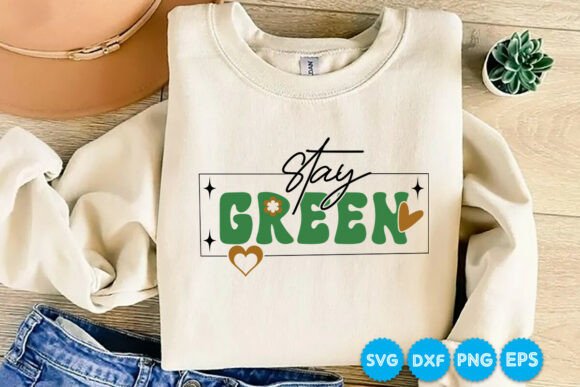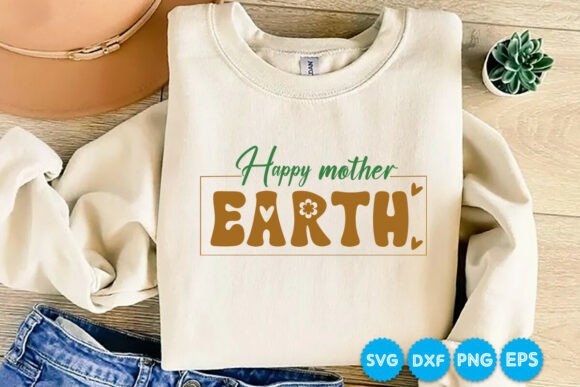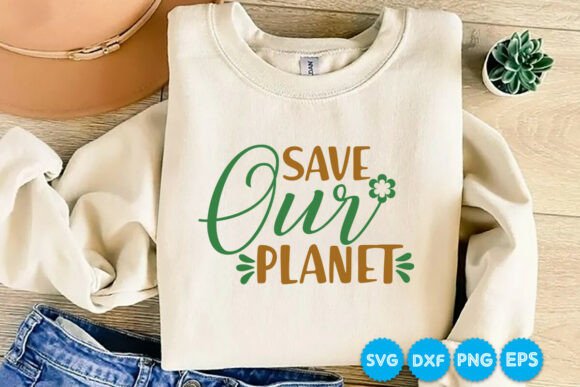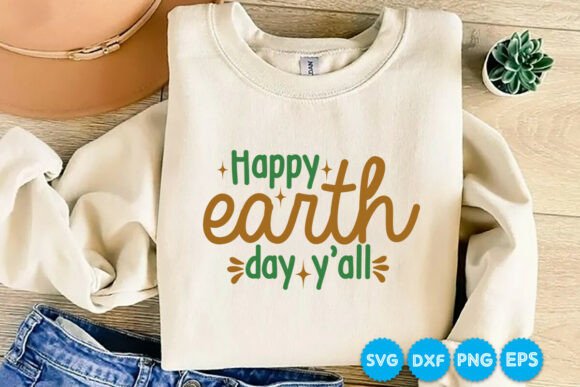
Not Very Cool Earth Day SVG Design Review
When I look at a digital file intended for embroidery, my first instinct is not to admire the colors on screen. It is to mentally translate those pixels into thread paths, stitch density, and fabric tension. As a designer who has spent years troubleshooting hooping issues and refining design assets for small businesses, I know that a pretty picture does not always translate to a professional finished product. This is why I approach every new acquisition with a critical eye, specifically looking for how it will behave under the needle of an embroidery machine.
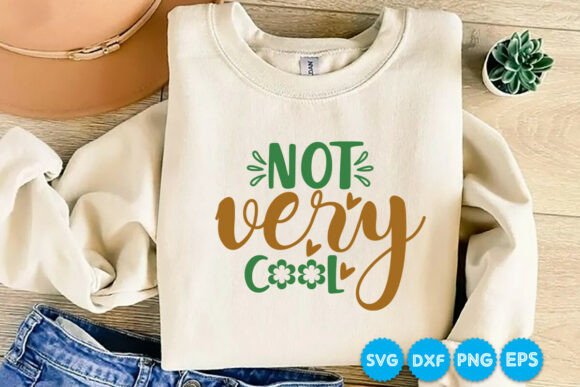
This review focuses on the Not Very Cool Earth Day SVG Design. On the surface, the title suggests a tongue-in-cheek, retro aesthetic that might appeal to a specific demographic. But does it hold up when converted into a physical embroidery project? Can it serve as a viable asset for an Etsy seller or a boutique owner looking to expand their seasonal inventory? Let’s break down the practical implications of using this graphic in real-world scenarios.
First Impressions and Visual Personality
The immediate mood created by the Not Very Cool Earth Day SVG Design is one of ironic nostalgia. The "retro" descriptor in its metadata hints at a color palette and typography style reminiscent of the 70s or 80s—likely featuring muted earth tones, distressed textures, or bold, blocky lettering. For an embroiderer, this visual personality is crucial because it dictates the choice of thread colors and stitch types. A design with a strong graphic identity often relies on clean lines and distinct shapes, which can be challenging if the digitization is poor.
In terms of layout, the design appears to prioritize readability and impact over intricate detail. This is a smart move for machine embroidery. Intricate details often get lost in the stitching process, especially on textured fabrics like canvas or fleece. By focusing on a bold, recognizable theme, the Not Very Cool Earth Day SVG Design aligns well with current trends in custom apparel where statement pieces are preferred over subtle embellishments. It feels less like a delicate floral arrangement and more like a badge or a logo, which suggests versatility across different product categories.
Real-World Application: From Screen to Stitch
Imagine you are preparing for a busy holiday season. You have orders coming in for personalized gifts, and you need designs that are quick to hoop, stable to stitch, and visually striking. The Not Very Cool Earth Day SVG Design could easily fit into this workflow. Because it is categorized under T-Shirt Designs and Graphics, it likely possesses a structure that works well on flat surfaces.
Consider a scenario where you are creating a line of eco-conscious merchandise. A tote bag made from heavy-duty cotton duck is a classic choice. The bold nature of this design would stand out against the natural or black fabric of the bag. However, the texture of the tote bag material can sometimes distort fine details. If the design includes tiny text or thin lines, they might merge together during stitching. Therefore, I recommend testing this embroidery file on scrap fabric that mimics the weight and weave of your final product before committing to expensive materials.
Another strong use case is sweatshirt embroidery. The retro vibe pairs naturally with the cozy, casual feel of a hoodie. When placed on the chest or back of a sweatshirt, the design can leverage the soft texture of the fabric to enhance the vintage aesthetic. The key here is stitch density; ensuring the fill stitches are not too dense will prevent the fabric from puckering, maintaining the garment's drape and comfort. For baby embroidery, such as on onesies or burp cloths, the design’s playful tone could work well, provided the scale is adjusted appropriately so it doesn’t overwhelm the small canvas.
Where Caution Is Required
While the design has potential, there are specific areas where an experienced designer would exercise caution. First, consider the hoop size. If the design is large, it may require multiple hooping operations, which increases the risk of misalignment. Always verify the dimensions of the vector file to ensure it fits comfortably within your machine’s standard hoops without excessive trimming or re-hooping.
Secondly, avoid using this design on highly stretchy or thin fabrics unless you are using a robust stabilizer. Stretchy knits can shift during stitching, leading to distorted shapes. Thin fabrics may tear if the stitch density is too high. Additionally, if you plan to place this on a curved surface, such as a cap or a hat, the design’s geometry must accommodate the curve. Flat, geometric designs often warp visibly when stitched onto rounded objects, so test this carefully if you intend to produce embroidered patches or headwear.
Dark fabrics present another challenge. The contrast between the thread and the fabric is vital for legibility. If the design relies on light-colored threads for its main elements, ensure that the underlying stabilizer or underlay stitches provide enough coverage so the dark fabric doesn’t show through. Conversely, very dark threads on dark fabric can disappear entirely, losing the design’s impact.
Impact on Product Value and Brand Consistency
For craft business owners and small shop product creators, the perceived value of a handmade item is heavily influenced by the quality of the embroidery. A well-executed design signals professionalism and attention to detail. The Not Very Cool Earth Day SVG Design, with its clear thematic focus, can help establish brand consistency, particularly for shops that specialize in sustainable or retro-themed goods.
When customers see a finished product, they are evaluating not just the object itself but the story behind it. A design that clearly communicates its message without requiring close inspection builds trust. If the embroidery is clean, with no loose threads or uneven edges, it enhances the handmade product appeal. This is especially important for personalized gift items, where the recipient expects a higher standard of finish. A sloppy execution can undermine even the best design concept.
Furthermore, the design’s versatility allows for creative marketing. You can create printable mockup images showing the design on various products—tote bags, aprons, pillows—to showcase its adaptability. This helps Etsy sellers and digital product sellers attract buyers who are looking for ready-to-use assets. However, it is crucial to remember that a digital preview is not the same as the physical reality. Always include disclaimers about fabric choices and stabilization methods to manage customer expectations.
Practical Designer Notes for Implementation
Before integrating the Not Very Cool Earth Day SVG Design into your production workflow, follow these essential steps:
- Test on Scrap Fabric: Never go straight to the final product. Use scraps of the exact fabric you plan to sell to check for puckering, thread breaks, and color contrast.
- Review Stitch Density: Open the file in your embroidery software and inspect the stitch types. Ensure that fill stitch areas are balanced and that satin stitch borders are not too wide for the fabric type.
- Check Small Details: Zoom in on any text or fine lines. If they are thinner than a single stitch width, they will not render correctly. Consider simplifying these elements if necessary.
- Confirm Licensing: Since this is a digital asset, verify the license terms. Are you allowed to sell finished items? Can you use it for commercial projects? Clarifying this prevents legal issues later.
- Use Proper Stabilizer: Match the stabilizer to the fabric. Cut-away stabilizers are generally safer for woven fabrics and frequent washing, while tear-away may suffice for stable, non-stretchy materials used in一次性 decor items.
- Inspect Black and White Mockups: Convert the design to grayscale to check contrast. If the design loses definition in black and white, it may struggle on certain fabric backgrounds.
In conclusion, the Not Very Cool Earth Day SVG Design offers a compelling option for designers looking to add a touch of retro flair to their collections. Its bold aesthetic and thematic relevance make it suitable for a variety of commercial embroidery applications, from holiday embroidery gifts to everyday custom apparel. By paying attention to fabric selection, stabilization, and stitch quality, you can transform this digital graphic into a high-quality, marketable finished product that resonates with customers and elevates your brand.