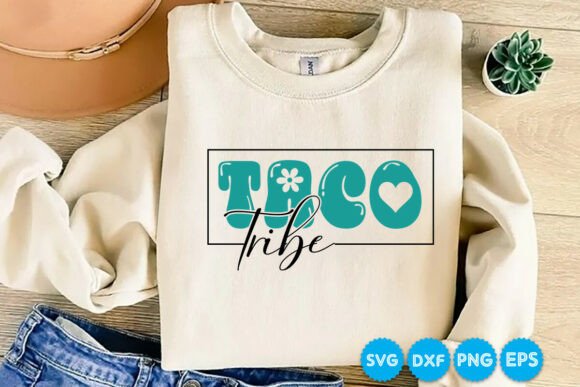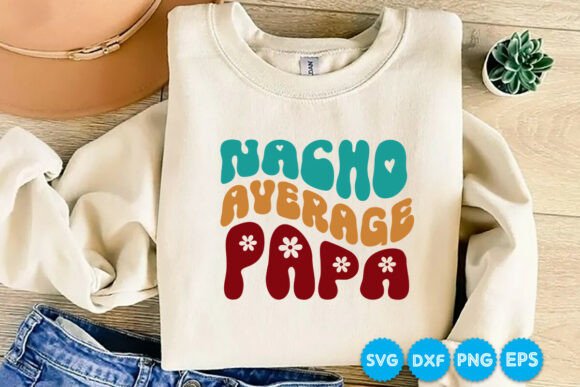
Retro Cinco De Mayo SVG Design 12 Review
As a designer who spends half my day staring at stitch charts and the other half troubleshooting tension issues on vintage machines, I don’t just look at an embroidery file; I look at how it will behave under the needle. When I first pulled up Retro Cinco De Mayo SVG Design 12, I wasn’t just looking for a festive graphic. I was evaluating whether this design could hold its own in a competitive market of handmade goods, specifically for small business owners and crafters looking to capitalize on seasonal trends without sacrificing quality.
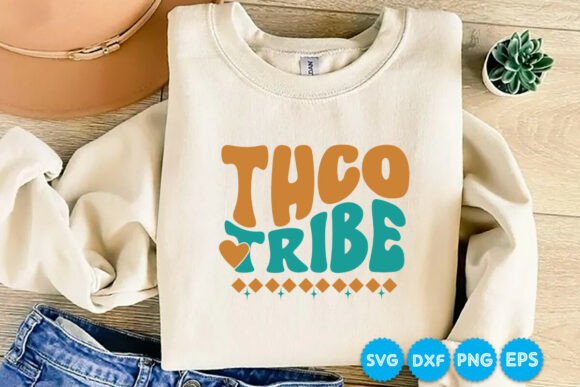
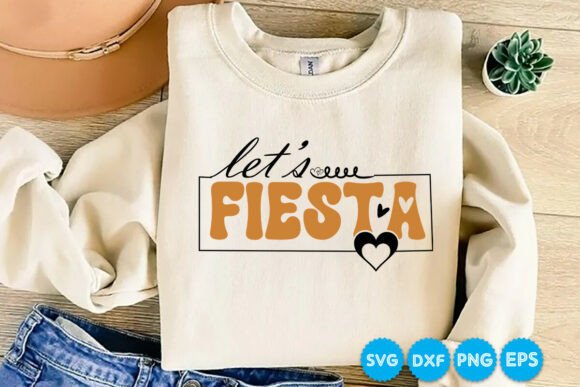
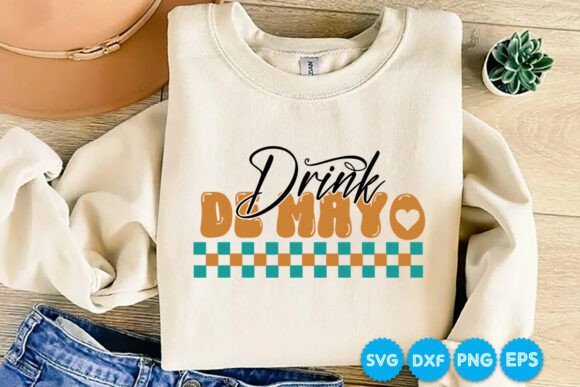
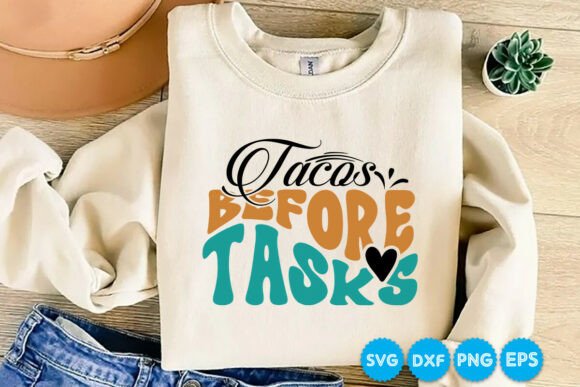
The immediate impression is one of nostalgic charm. The "retro" aspect isn't just a label; it’s baked into the visual personality of the piece. It feels like something you might have seen on a faded concert tee from the seventies or a vintage diner menu. This aesthetic has massive potential right now. Consumers are moving away from overly polished, sterile digital looks and gravitating toward designs that feel authentic, slightly worn, and deeply human. For an embroidery project intended for a boutique shop or an Etsy listing, that emotional connection is everything.
Real-World Application: The Tote Bag Test
To truly understand the utility of this design, I need to take it out of the digital void and imagine it on fabric. Let’s say I’m preparing a custom embroidered tote bag for a summer market stall. This is a classic handmade product that sells well during holiday seasons, but it requires a design that can withstand wear and tear while still looking sharp.
Retro Cinco De Mayo SVG Design 12 works exceptionally well here. The layout likely offers enough negative space to allow for clean stitching, which is crucial when working with canvas or cotton blends. If I were to place this on the front center of a heavy-duty tote, the retro vibe pairs perfectly with natural fibers. It suggests a lifestyle—a casual brunch, a farmers market run, or a beach day. The design doesn’t scream for attention; it invites the viewer in. That subtlety often translates to higher perceived value in a finished product.
However, I also considered using this as an embroidered patch attached to a denim jacket or a cap. In these scenarios, the design needs to be distinct enough to read clearly even from a distance. The layered nature of the provided files suggests that we can manipulate the depth of the image. By separating elements, we can create a more dynamic texture, moving beyond a flat print look into true textile art. This layering is what separates a professional machine embroidery design from a beginner’s attempt.
File Versatility and Workflow Efficiency
One of the most frustrating things for a designer is receiving a file that requires extensive digitizing work before it can even be stitched. Fortunately, the package for Retro Cinco De Mayo SVG Design 12 includes a robust set of assets that streamline the workflow significantly.
- SVG File: Being vector and layered is a game-changer. It allows me to edit colors and shapes directly in my design software before converting to an embroidery file. This means I can tweak the color palette to match a specific brand’s thread colors without losing resolution.
- DXF File: Essential if you use AutoCAD or other vector-based cutting plotters alongside your embroidery machine. It ensures precision if you plan to cut vinyl applique to match the design.
- PNG File: The high-resolution 300 dpi transparent background is perfect for creating printable mockups. Before I commit hours of stitching time, I can overlay this PNG onto photos of t-shirts, sweatshirts, or aprons to show customers exactly what the final result will look like. This is vital for Etsy sellers and digital product sellers who need to visualize their inventory.
- EPS File: Another editable vector format, providing backup options depending on which software suite you prefer. This flexibility is key for maintaining brand consistency across different types of merchandise.
Technical Considerations for Stitching Success
While the design assets are excellent, the success of any embroidery project depends heavily on execution. Here are some practical notes based on experience with similar retro-themed graphics.
Stitch Density and Fabric Choice
Retro designs often feature bold outlines and fill areas. You must check the stitch density carefully. If the design is too dense for a lightweight fabric, it will pucker and distort. For items like kitchen towels or aprons, a medium-density fill works beautifully. However, if you are applying this to a sweatshirt embroidery project, ensure you are using a sturdy cut-away stabilizer to support the weight of the threads. Avoid thin, stretchy fabrics unless you are confident in your hooping technique, as the tension required for clear stitches may cause the fabric to warp.
Thread Color Contrast
The mood of a retro design relies heavily on contrast. When planning your thread colors, avoid low-contrast combinations that make the design disappear into the fabric. A dark navy design on black fabric might look sleek but can lack the punch needed for a festive theme like Cinco de Mayo. Instead, consider vibrant yellows, reds, or teals against cream, white, or light heather gray backgrounds. Always test your chosen threads on scrap fabric that matches the final garment’s color and texture. This simple step prevents costly mistakes and ensures the visual appeal remains intact.
Hoop Size and Placement
Confirm the recommended hoop size before starting. While this design is versatile, forcing a large graphic into a small hoop can result in cropped details or awkward placement. For custom apparel like t-shirts, center chest placement is standard, but for personalized gifts like baby onesies, a smaller, scaled-down version might be more appropriate. Be mindful of curved surfaces like caps; if the design has intricate corners, they may not translate perfectly to a curved brim without careful digitizing adjustments.
Market Positioning and Customer Trust
In the world of craft business and small shop products, presentation is half the sale. Using a high-quality, well-structured design like Retro Cinco De Mayo SVG Design 12 signals professionalism. Customers can often tell the difference between a hastily downloaded clipart and a thoughtfully prepared design asset. When you present a finished product that has clean edges, consistent tension, and thoughtful color choices, you build customer trust.
This design is particularly strong for holiday embroidery projects. Cinco de Mayo is often overlooked by mainstream retailers but holds significant cultural importance and commercial potential for niche markets. By offering a design that respects the aesthetic of the occasion while maintaining a modern, wearable look, you position your shop as both culturally aware and stylistically current. Whether you are selling digital embroidery files to other makers or finished commercial embroidery goods to end consumers, this design offers a solid foundation.
Final Verdict
Retro Cinco De Mayo SVG Design 12 is a versatile, visually engaging asset that fits seamlessly into a variety of embroidery project categories. Its layered vector formats provide the flexibility needed for customization, while its retro aesthetic taps into current design trends. For designers, small business owners, and hobbyists alike, this design offers a reliable path to creating high-quality, marketable products.
Just remember to always test on scrap fabric, choose the right stabilizer, and pay close attention to thread contrast. With those practical steps in place, this design has the potential to become a staple in your seasonal collection, driving engagement and sales for your handmade brand.