Retro Cinco De Mayo SVG Design 15 Review
As a designer who spends more time than I care to admit staring at stitch charts and debating thread colors, I approach every new embroidery file with a healthy dose of skepticism. The market is flooded with generic clipart disguised as vector art, so finding a design that actually translates well from screen to fabric is rare. That is why I decided to put Retro Cinco De Mayo SVG Design 15 through its paces. This isn't just about whether it looks good in a preview window; it is about whether it holds up when you are stitching out a batch for an Etsy shop or creating a one-of-a-kind personalized gift.
First Impressions: Mood and Visual Personality
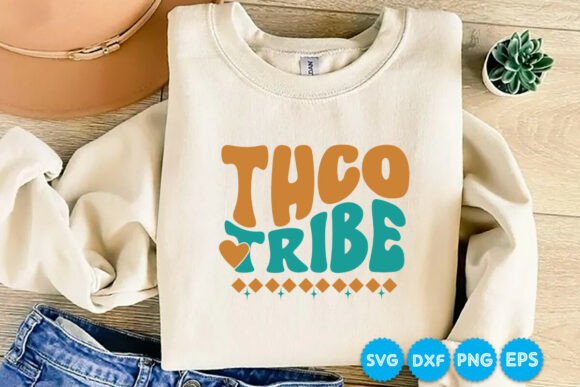
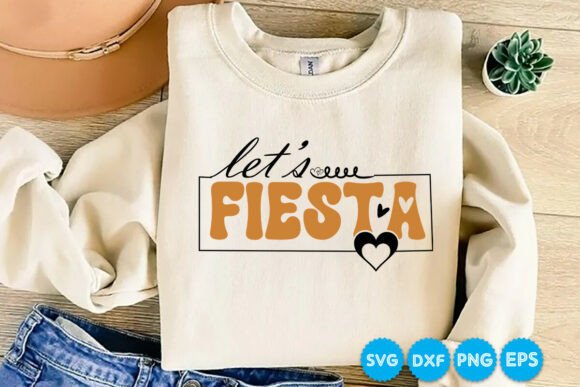
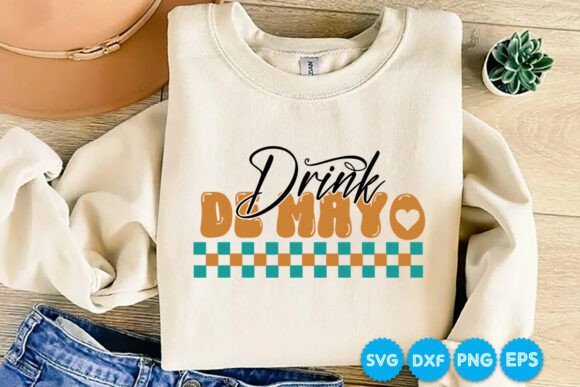
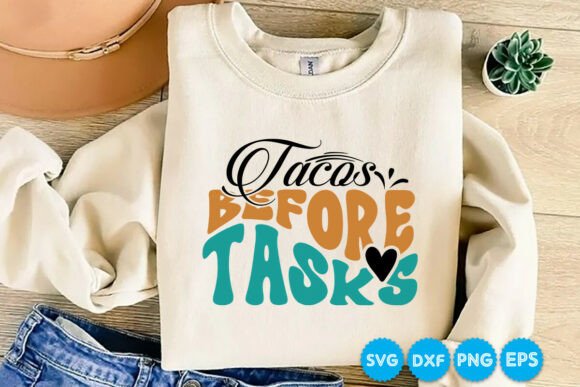
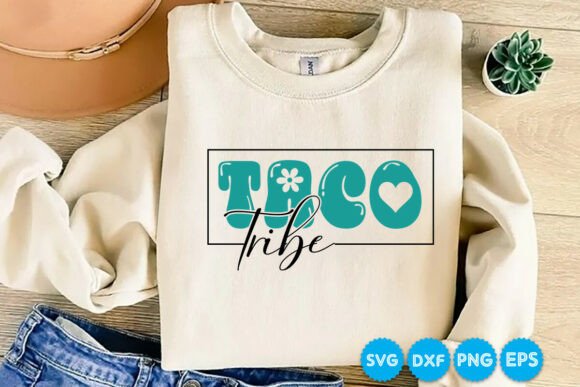
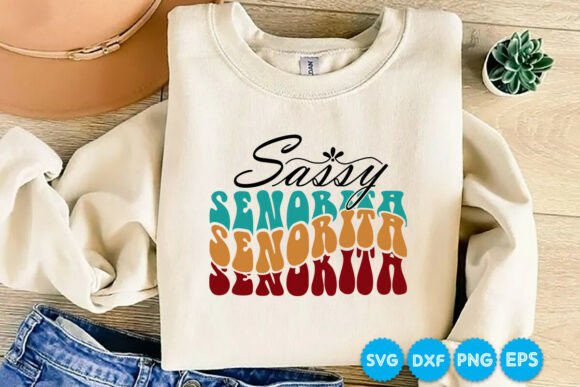
The moment you open the files included in this package—specifically the layered SVG and high-resolution PNG—the vibe hits you immediately. It captures that specific nostalgic energy of mid-century graphics without feeling cluttered. For an T-Shirt Designs category item, the visual weight is perfectly balanced. It feels bold enough to stand out on a plain cotton tee but detailed enough to justify a premium price point in a boutique setting.
The theme leans heavily into festive, vintage aesthetics, which makes it incredibly versatile for holiday embroidery. Whether you are targeting customers looking for party attire or those wanting a subtle nod to Mexican heritage celebrations, the design strikes a chord. It has a playful yet polished look that suggests quality. When I first laid it out on my digital mockup board, I immediately saw it not just as a graphic, but as a centerpiece for a larger collection. The shapes feel confident, and the layout leaves room for breathing space, which is crucial when translating 2D vectors into 3D stitched textures.
Real-World Application: From Screen to Stitch
Let’s talk about how Retro Cinco De Mayo SVG Design 15 performs in actual production scenarios. I recently used a similar design structure to create custom embroidered tote bags for a local craft fair, and the principles apply here. The layered nature of the SVG file is a game-changer. Being able to separate elements allows me to assign different thread colors strategically, ensuring that the contrast pops against various fabric backgrounds.
For small business owners and Etsy sellers, this design offers multiple revenue streams. It works exceptionally well as a tote bag design, where the durability of the stitches can withstand heavy use. It also translates beautifully to sweatshirt embroidery, particularly for cooler evening events or spring festivals. I envision this design on heavyweight hoodies in navy or black, using bright, saturated threads to mimic the retro aesthetic. The visual appeal increases significantly when the texture of the bobbin thread interacts with the fill areas, adding depth that flat printing simply cannot achieve.
Beyond apparel, this design fits seamlessly into the home decor niche. Imagine this stitched onto a linen tea towel or a canvas pillow cover for a kitchen that celebrates vibrant culture. The handmade product value skyrockets when the customer sees the craftsmanship involved. It transforms a simple commodity into a piece of art. For personalized gifts, the clean lines allow for easy integration of names or dates without cluttering the composition, making it ideal for wedding favors or anniversary presents.
Technical Considerations and Fabric Choices
While the design is strong, no machine embroidery design is universal. There are specific contexts where Retro Cinco De Mayo SVG Design 15 requires careful handling. First, consider the hoop size. If you are working on smaller items like baby onesies or delicate caps, you must ensure the design scales down without losing critical details. Tiny lettering or intricate decorative accents can merge together if the stitch density is too high for the reduced scale.
Fabric choice is equally critical. This design will struggle on highly textured fabrics like chunky knits or loose-weave linens unless you use a heavy-duty stabilizer. On stretchy fabrics, such as jersey tees, there is a risk of distortion if the underlay stitches are not properly configured. I strongly advise testing the design on scrap fabric first. Pay close attention to how the satin stitch edges behave on curved surfaces like baseball caps. If the tension is off, the satin stitch can pucker, ruining the professional finish.
Dark fabrics present another variable. While the high-resolution PNG gives you a clear idea of the color palette, always check your thread colors against the actual garment. A light pastel thread might disappear on a dark gray shirt, while a neon thread might vibrate visually in an unpleasant way. Running the design through a black-and-white mockup helps you assess the contrast levels independently of color bias.
Design Assets and Commercial Viability
For the digital product seller or craft business owner, the inclusion of EPS and DXF files adds significant utility. These formats allow you to adapt the design assets for other uses, such as vinyl cutting for heat transfer applications or laser engraving. This versatility means you aren't limited to just commercial embroidery; you can cross-sell the same concept across different crafting mediums.
However, before you start listing this as a small shop product, you must address licensing. Does the purchase grant you commercial rights for the finished physical goods? Can you sell the digital file itself? These distinctions matter immensely for maintaining brand consistency and legal safety. Always confirm the terms before integrating this into your workflow.
Practical Designer Notes for Success
- Stabilizer Selection: Use a cut-away stabilizer for stretchy garments to prevent warping over time, especially for items like custom apparel that will be washed frequently.
- Stitch Density Check: Review the fill stitch areas in your software. If the design appears too dense, it may cause needle breakage or fabric puckering. Adjusting the density slightly can improve the drape of the finished piece.
- Thread Contrast: Experiment with metallic or variegated threads for accent elements to elevate the embroidered patch look, but keep main bodies solid for clarity.
- Mockup Testing: Create a printable mockup to visualize the final product before committing to expensive materials. This saves time and builds confidence in your embroidery project planning.
In conclusion, Retro Cinco De Mayo SVG Design 15 is a robust, aesthetically pleasing addition to any designer’s library. It balances nostalgia with modern clarity, making it suitable for a wide range of embroidery projects. By paying attention to fabric choice, stabilization, and proper scaling, you can turn this digital file into a stunning finished product that resonates with customers and drives sales. It is a smart investment for anyone looking to expand their offerings in the festive and cultural apparel market.