Reduce Reuse Craft Earth Day Design Review
As a designer who spends more time than I care to admit staring at stitch density charts and fabric swatches, I approach every new embroidery file with a mix of optimism and skepticism. The market is flooded with generic graphics, but finding a piece that balances aesthetic charm with technical viability for real-world production is rare. Recently, I had the chance to evaluate the Reduce Reuse Craft Earth Day Design, a retro-inspired graphic marketed primarily under T-Shirt Designs and Graphics categories. While it originates as a digital asset, my focus here is strictly on its potential as a machine embroidery design. Can this vector-based concept translate into a high-quality stitched product? Is it viable for an Etsy seller’s inventory or a boutique brand launch? Let’s break down the practical realities of using this design.
First Impressions: Mood and Visual Personality
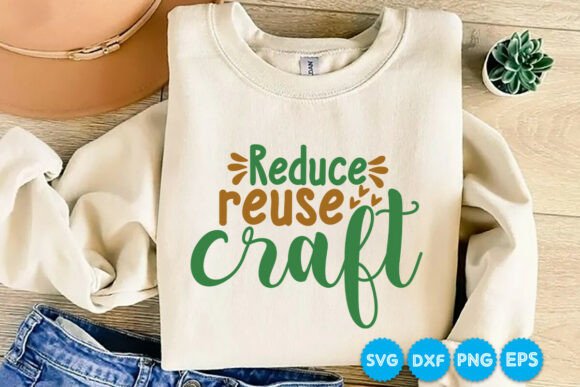
The moment you load the layers of the Reduce Reuse Craft Earth Day Design, the vintage aesthetic hits hard. It doesn’t scream modern minimalism; instead, it whispers nostalgia. The retro vibe suggests a hand-drawn quality that, if executed well in thread, can feel incredibly warm and inviting. For an embroidery project, this mood is gold. It moves away from the sterile look of corporate sustainability messaging and leans into the cozy, handmade ethos that crafters love.
Visually, the layout appears balanced, which is crucial when translating a flat SVG into three-dimensional thread work. The theme of "Reduce, Reuse, Craft" aligns perfectly with the core values of our community. However, visual appeal on a screen does not always guarantee clarity under a needle. The challenge with retro designs often lies in their intricate line work. If the original graphic relies on thin, delicate lines, those details can vanish or bunch up during stitching. We need to ensure that the design maintains its personality without becoming a muddy mess of thread.
Real-World Application: From Screen to Stitch
I put this design through a mental simulation of several common handmade product scenarios. Where does it fit best? The answer is surprisingly versatile, provided we choose the right substrate.
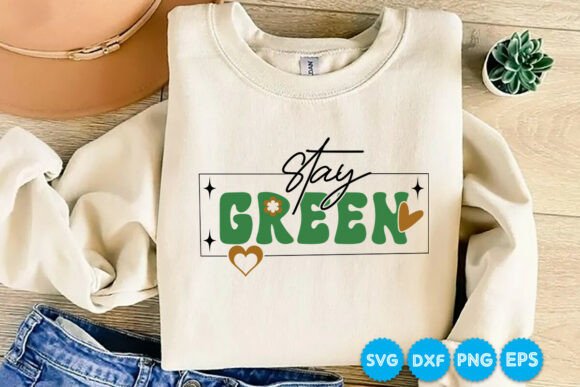
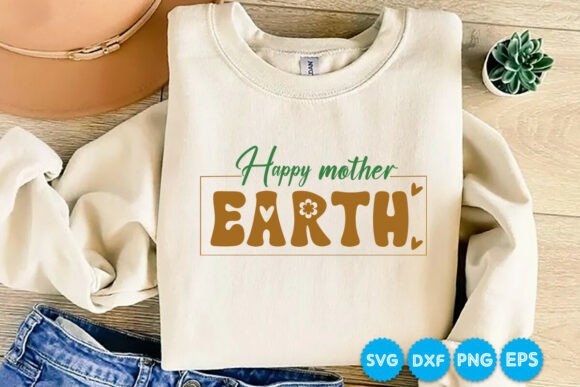
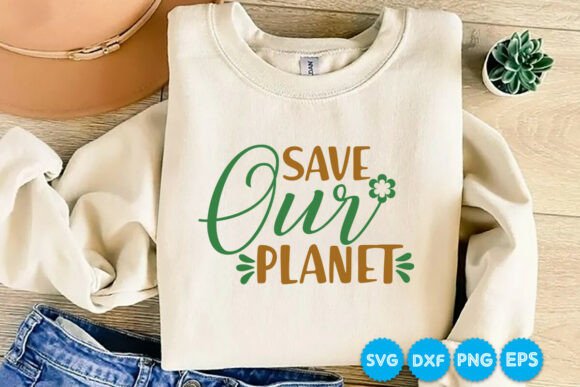
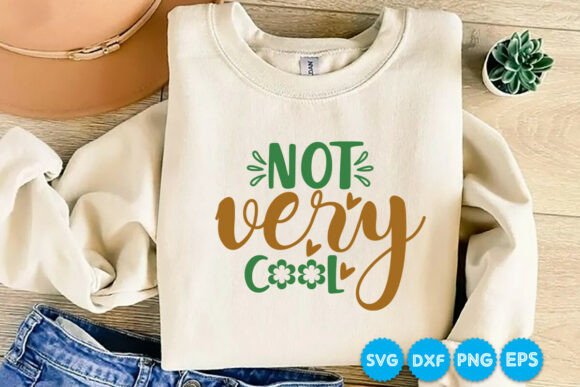
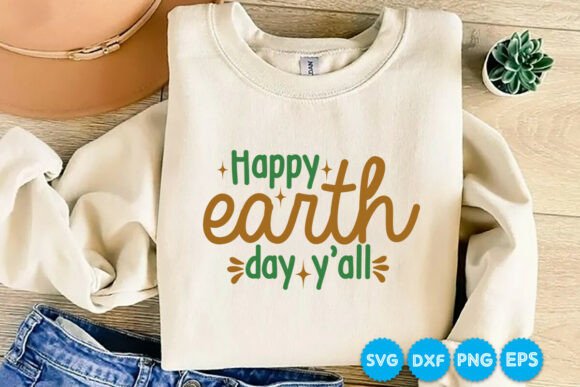
Custom Apparel and Sweatshirts: This design shines on heavier fabrics. Imagine a cream-colored organic cotton sweatshirt with the Reduce Reuse Craft Earth Day Design embroidered on the chest. The retro colors would pop against the neutral background, creating a custom apparel piece that feels both trendy and timeless. It works equally well on dark tees if the thread contrast is managed carefully. For a small shop product, this is a low-risk, high-reward item because earth day themes have year-round relevance, not just seasonal spikes.
Tote Bags and Aprons: A tote bag design featuring this motif is a natural fit. Canvas bags are sturdy, providing a stable surface for the embroidery. The message is literal and functional—carrying reusable items while wearing the message. Similarly, an apron for a kitchen towel or baking enthusiast could feature this design near the pocket. It adds a touch of personality to a utilitarian item, making it an excellent personalized gift.
Baby Items and Nursery Decor: There is a gentle side to this design that appeals to parents. Embroidering it on a baby bodysuit or a muslin blanket creates a meaningful keepsake. The softness of the thread against baby skin requires careful attention to stitch density, but the emotional value of a sustainable-themed baby item is high. It positions the buyer as environmentally conscious from day one.
Where Caution is Required
Not every surface is created equal. There are specific situations where the Reduce Reuse Craft Earth Day Design might struggle. Avoid placing this on highly textured fabrics like heavy bouclé wool or loose-weave linen unless you are an expert at stabilizing them. The needle penetration could cause puckering or distortion.
Furthermore, be wary of small hoop sizes. If the design contains fine details or tiny lettering, shrinking it down to fit a 4x4 inch hoop might render the text illegible after stitching. Curved surfaces, such as baseball caps, also pose a risk. While possible, the curvature can stretch the fabric, altering the proportions of the retro typography. Always test on scrap fabric first to see how the material reacts to the tension of the hooping process.
Technical Considerations for the Designer
Receiving a layered SVG, DXF, and PNG is a great start, but these are cutting files by default. To use this as a true machine embroidery design, you must digitize it or convert the vectors appropriately. Here is what I recommend checking before committing to a full production run:
- Stitch Density: Check the fill stitches. Retro designs often use large areas of color. Ensure the density isn’t too high, which can make the fabric stiff and prone to bubbling, especially on lightweight t-shirts.
- Thread Colors: The retro palette likely includes muted greens, browns, or creams. Select threads that match these tones closely. High-contrast satin stitch borders can help define the shape if the internal colors blend together too much.
- Stabilizer Choice: For commercial embroidery on garments, a cut-away stabilizer is usually necessary to maintain longevity. For temporary projects like party favors, a tear-away might suffice, but wash tests are essential.
- Detail Inspection: Zoom in on the digital mockup. Are there any overlapping elements that might confuse the digitizing software? Clean vector paths make for cleaner digitization.
Impact on Brand and Customer Trust
Using a well-executed design like this affects more than just the look of the item; it impacts your brand consistency. When customers receive a finished product that looks professional—no loose threads, no puckered fabric—they trust your craftsmanship. The Reduce Reuse Craft Earth Day Design supports a narrative of quality and intentionality. It tells the buyer that you care about the details, both in your creative vision and your technical execution.
For an Etsy seller or craft business, this design offers strong design assets value. It is shareable, relatable, and fits the current cultural conversation around sustainability. When paired with high-quality photos and clear descriptions, it boosts buyer engagement. It transforms a simple piece of clothing or accessory into a statement piece.
Final Verdict
The Reduce Reuse Craft Earth Day Design is a solid contender for anyone looking to expand their repertoire of eco-conscious motifs. Its retro charm provides a unique angle in a saturated market. However, success depends entirely on the translation from digital vector to physical thread. By paying close attention to fabric selection, stabilizer usage, and stitch quality, you can turn this graphic into a standout embroidery project. Just remember to verify all technical specifications and licensing terms before listing any digital embroidery file or selling finished goods. With careful preparation, this design has the potential to become a staple in your small shop product lineup.